Mold can be a serious problem for homeowners because it often grows in places you cannot easily see. One of the most concerning situations is when mold develops inside wall cavities. Unfortunately, many people do not notice hidden mold until it causes significant damage or affects indoor air quality.
At Rochester Fire Restoration, we often help homeowners identify and remove hidden mold before it spreads further. Knowing the signs of mold behind walls can help you act quickly and avoid costly repairs. In many cases, mold growth behind walls is connected to water damage, plumbing leaks, or excessive moisture.
This guide explains how to recognize hidden mold, what causes it, and when to seek professional mold remediation services.
Key Takeaways
- Hidden mold often develops behind drywall due to moisture intrusion.
- A musty odor is one of the most common signs of mold behind walls.
- Water damage frequently leads to mold growth behind walls.
- Mold can negatively impact indoor air quality and health.
- Professional mold remediation helps eliminate mold and prevent it from returning.
What Causes Mold to Grow Behind Walls?
Mold requires moisture, organic material, and the right temperature to thrive. Unfortunately, wall cavities often provide the perfect environment. Because these areas are dark and enclosed, mold can grow unnoticed for months.
Most cases of mold growing behind walls begin with a hidden moisture source. Water leaks from plumbing systems, roof leaks, and condensation problems are among the most common causes. Additionally, flooding and water damage can leave moisture trapped behind drywall.
If moisture is not addressed quickly, mold spores can begin growing within 24 to 48 hours. This is why homeowners should always address water-related issues immediately.
Common Causes of Hidden Mold
- Hidden plumbing leaks
- Roof leaks
- Flooding and water damage
- Condensation from HVAC systems
- Poor ventilation
- High indoor humidity
Because mold often follows water intrusion, we recommend linking hidden mold inspections with our Water Damage Restoration services whenever moisture damage is suspected.
Common Signs of Mold Behind Walls
Hidden mold can be difficult to identify because it is not always visible. However, there are several warning signs homeowners should never ignore. Understanding these indicators can help you catch a problem before it becomes severe.
Many of the signs listed below occur before mold becomes visible. Therefore, paying attention to subtle changes around your home is important.
Musty Odors
A persistent musty smell is one of the most common signs of mold behind walls. Mold releases microbial volatile organic compounds as it grows. These compounds often create a damp, earthy odor.
If you notice a musty smell that does not disappear after cleaning, hidden mold may be present.
Discoloration on Walls
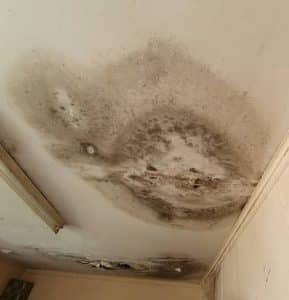
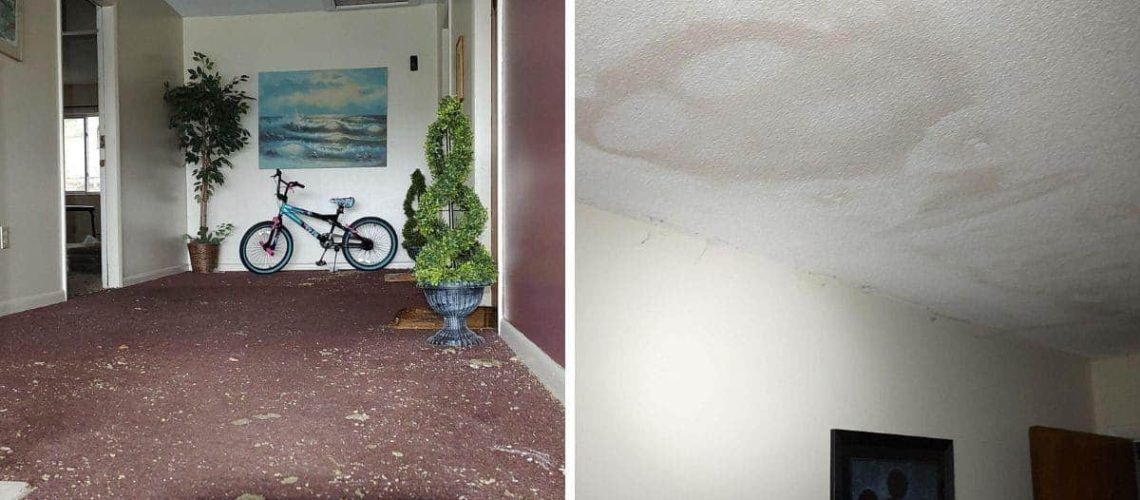
Dark spots, stains, or unusual discoloration may indicate mold growth behind drywall. Sometimes the mold itself is hidden, but moisture causes visible changes on the wall surface.
These stains often appear brown, yellow, green, or black.
Peeling Paint or Wallpaper
Excess moisture behind walls can cause paint and wallpaper to lose adhesion. As a result, you may notice bubbling, peeling, or cracking.
This symptom often points to hidden moisture problems and potential mold growth.
Warped Drywall
Moisture trapped behind walls can cause drywall to swell or warp. If your walls appear uneven or feel soft to the touch, mold growth may already be developing behind them.
What Does Mold Behind Walls Smell Like?
One of the earliest warning signs of hidden mold is odor. In many cases, homeowners smell mold long before they see any visible evidence. Because mold thrives in concealed spaces, odor detection is often a critical clue.
The smell is typically described as:
- Musty
- Damp
- Earthy
- Similar to wet cardboard or old wood
A strong odor near specific walls, rooms, or closets often suggests mold inside the walls. The smell may become stronger during humid weather because increased moisture accelerates mold activity.
If you notice these odors, professional mold inspection may be necessary to determine the source.

Health Symptoms Caused by Hidden Mold
Mold affects more than your property. It can also impact the health of people living in the home. Because hidden mold continuously releases spores into the air, occupants may experience symptoms without realizing mold is the cause.
Health effects vary depending on sensitivity levels and exposure duration. However, common symptoms include:
- Sneezing
- Coughing
- Nasal congestion
- Eye irritation
- Headaches
- Skin irritation
Individuals with asthma, allergies, or respiratory conditions may experience more severe reactions. Therefore, unexplained symptoms can sometimes be one of the most important signs of mold behind walls.
Additionally, mold contamination can reduce indoor air quality throughout the home.
How Water Damage Leads to Mold Growth Behind Walls
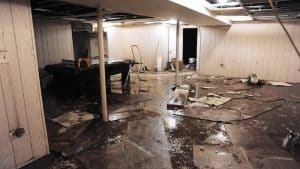
Water damage is one of the leading causes of hidden mold. In fact, many mold remediation projects begin after homeowners discover water intrusion. Even a small leak can create enough moisture to support mold growth.
When water becomes trapped inside wall cavities, drying can be difficult. As a result, mold spores find ideal conditions to grow.
Common water-related causes include:
- Burst pipes
- Appliance leaks
- Roof leaks
- Basement flooding
- Condensation issues
This is why we frequently recommend combining mold inspections with our Water Damage Restoration Rochester NY services. Addressing moisture sources is essential for long-term mold prevention.
Additionally, untreated water damage can eventually lead to structural deterioration.
How Professionals Detect Mold Inside Walls
Hidden mold often requires specialized equipment to locate accurately. While visible mold may be obvious, mold behind drywall is harder to identify.
Professional mold inspections may include:
- Moisture meters
- Thermal imaging cameras
- Air quality testing
- Wall cavity inspections
These tools help identify hidden mold in walls without unnecessary demolition. Furthermore, they allow restoration professionals to determine the extent of contamination.
At Rochester Fire Restoration, our team uses advanced detection methods to locate hidden mold and develop an effective remediation plan.
When to Call a Mold Remediation Professional
Some homeowners attempt to address mold themselves. However, DIY solutions often fail when mold is hidden behind walls. Surface cleaning may remove visible growth but leave underlying contamination untouched.
You should contact a professional if:
- Musty odors persist
- Water damage has occurred
- Walls show staining or warping
- Mold covers a large area
- Family members experience mold-related symptoms
Professional mold remediation Rochester NY services remove contamination safely while addressing the moisture source responsible for growth.
Additionally, experts help prevent future mold problems by identifying vulnerabilities within the property.
Protect Your Home from Hidden Mold
Hidden mold can spread quickly and create serious property and health concerns. Fortunately, recognizing the signs of mold behind walls allows homeowners to take action before the problem worsens.
Routine inspections, prompt water damage repairs, and proper moisture control are all important steps in preventing mold growth. The sooner hidden mold is identified, the easier and less expensive remediation often becomes.
Frequently Asked Questions (FAQs)
What are the most common signs of mold behind walls?
Common signs of mold behind walls include a persistent musty odor, peeling paint, wall discoloration, warped drywall, and unexplained allergy symptoms. These warning signs often indicate hidden moisture and mold growth that may require professional inspection.
Can mold grow behind walls without visible signs?
Yes, mold can grow behind walls without being visible. Hidden mold often develops inside wall cavities where moisture is present. Homeowners may first notice musty smells, increased allergy symptoms, or subtle signs of water damage before discovering the mold itself.
What causes mold to grow behind walls?
Mold behind walls is usually caused by excess moisture from leaking pipes, roof leaks, flooding, condensation, or high humidity. Mold spores can begin growing within 24 to 48 hours when moisture becomes trapped inside drywall and other building materials.
Is mold behind walls dangerous to your health?
Mold behind walls can negatively affect indoor air quality and may trigger allergy symptoms, coughing, sneezing, headaches, and respiratory irritation. Individuals with asthma, allergies, or weakened immune systems may experience more severe reactions from prolonged mold exposure.
How do professionals detect mold behind walls?
Professionals use moisture meters, thermal imaging cameras, air quality testing, and wall cavity inspections to locate hidden mold. These tools help identify mold growth behind drywall and determine the extent of contamination without causing unnecessary damage to the property.
Trust Rochester Fire Restoration for Mold Remediation
If you suspect hidden mold in your home, don’t wait for the problem to spread. At Rochester Fire Restoration, we provide professional mold remediation, mold inspection, and water damage restoration services throughout Rochester, NY.
Our experienced team uses advanced detection equipment to locate hidden mold, eliminate contamination, and restore a safe indoor environment. Contact Rochester Fire Restoration today to schedule an inspection and protect your home from costly mold damage.