How Fast Does Mold Grow After Water Damage?
Arianne | Posted on |
Water damage is stressful enough on its own. But once mold enters the picture, the clock starts ticking even faster. So, how fast does mold grow after water damage? In most cases, mold can begin forming within just 24 hours. That’s why quick action matters so much.
At Rochester Restoration, we’ve helped countless homeowners across Rochester and Monroe County catch water damage before it turns into a mold problem. In this guide, we’ll break down the mold growth timeline hour by hour, explain what causes mold to spread so quickly, and show you how to stop it before it takes hold. We’ll also cover the warning signs to watch for and when it’s time to call in a professional.
Key Takeaways
- Mold can begin growing in as little as 24 hours after water damage.
- Humidity and trapped moisture, not just visible water, drive mold spores to activate.
- Hidden mold behind walls can grow for weeks before anyone notices.
- Fast structural drying and dehumidification are the best ways to prevent mold.
- Rochester’s humid summers and freeze-thaw winters raise the risk even further.
The Mold Growth Timeline After Water Damage
So, exactly how fast does mold grow after water damage? Let’s walk through the timeline step by step.
Within 24 Hours
Mold spores are already present in most homes. As soon as they come into contact with moisture, they begin to activate. Within the first 24 hours, conditions are already forming for mold to take root, especially if the water isn’t removed right away.
24–48 Hours
This is the most critical window in the mold growth timeline after water damage. Moisture and humidity levels rise, and mold spores multiply quickly. If water hasn’t been extracted by now, the risk increases significantly. (For more on why this happens, see “Why Does Water Damage Lead to Mold Growth?“)
3–7 Days
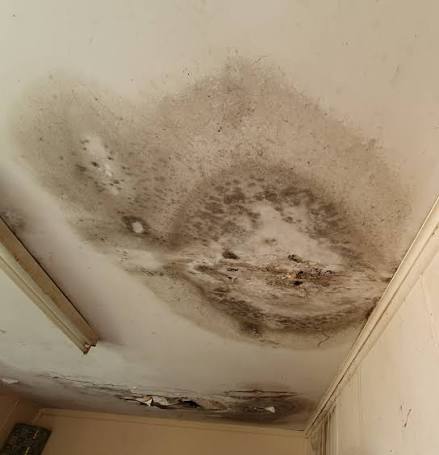
By this point, signs of mold after water damage often become noticeable. A musty odor, visible spotting, or discoloration can appear on walls, baseboards, or flooring. If you notice any of these, it’s time to act.
1 Week and Beyond (Hidden Growth)
Unfortunately, mold doesn’t always grow where you can see it. Hidden moisture behind walls or under flooring can allow mold to spread for weeks without detection. (Learn more in “Signs Mold Is Growing Behind Walls in Your Home.“)
Experiencing Water Damage Right Now?
What Causes Mold to Grow So Quickly?
Mold thrives when three conditions come together: moisture, warmth, and organic material. Drywall, wood, and carpeting all provide the fuel mold needs. Once moisture and humidity levels rise, mold spores multiply fast. In addition, the water’s classification matters. Category 1 water, like a clean supply line break, carries a lower risk than Category 2 or 3 water, which often contains contaminants that accelerate mold growth.
Does All Water Damage Lead to Mold?
No, not necessarily. With fast extraction and proper drying, mold can often be prevented altogether. That said, the longer water sits, the higher the risk becomes. For a deeper dive into this connection, check out “Why Does Water Damage Lead to Mold Growth?“
First Signs of Mold After Water Damage
Knowing the early warning signs can help you catch mold before it spreads. Watch for:
- A persistent musty or earthy smell
- Dark spots or discoloration on walls, ceilings, or floors
- Warped, bubbling, or peeling surfaces
- Allergy-like symptoms, such as sneezing or watery eyes, when indoors
If you spot any of these signs, don’t wait. See “Signs Mold Is Growing Behind Walls in Your Home” for a more detailed breakdown.
How to Stop Mold From Growing After Water Damage
The good news is that mold is often preventable. Here’s how to stay ahead of it:
- Remove standing water as quickly as possible
- Begin structural drying and dehumidification within 24–48 hours
- Apply antimicrobial treatment to affected surfaces
- Monitor humidity levels until the area is fully dry
This is where having a trusted local team on call makes all the difference. Rochester Restoration has built our entire process around this exact timeline, so homeowners never have to guess what to do next.
Our emergency water damage restoration services are designed to get crews on-site fast, extract water immediately, and begin drying before mold has a chance to start. For additional prevention tips, visit “How to Prevent Mold Growth After Experiencing Water Damage.“
Worried About Mold After Water Damage?
Mold Growth in Rochester's Climate
Rochester’s weather makes mold prevention even more important. Humid summers create the perfect environment for mold spores to thrive. Meanwhile, freeze-thaw winters often lead to hidden leaks and frozen pipes, which can go unnoticed until moisture has already settled in. As a result, homeowners across Rochester and Monroe County face a higher-than-average mold risk after water damage.
When to Call a Professional for Mold Inspection or Remediation
While small, quickly addressed spills may not lead to mold, larger or hidden water damage often requires professional attention. If you notice a musty smell, visible growth, or recurring moisture issues, it’s time to schedule a mold inspection with a certified team.
Frequently Asked Questions
What happens during emergency water damage restoration?
Emergency water damage restoration involves a rapid on-site response, a full water damage assessment, water extraction, structural drying and dehumidification, antimicrobial cleaning, and finally repairs — restoring your Rochester home to its pre-damage condition.
How long does emergency water extraction take?
Water extraction itself typically takes a few hours, depending on the volume of water and size of the affected area. Full structural drying usually takes an additional 3–5 days.
Do I need to leave my home during water damage restoration?
Not always. Many homeowners can stay in their home during extraction and drying, though this depends on the severity of the damage, the water category, and whether utilities are affected.
How soon does mold grow after water damage?
Mold can begin growing in as little as 24–48 hours after water exposure, which is why fast emergency response is critical to limiting damage.
Is emergency water damage restoration covered by insurance?
Often, yes — sudden and accidental events like burst pipes are typically covered under standard homeowners insurance, while gradual leaks or floodwater may require separate coverage. Check your policy or ask your adjuster for specifics.
Act Fast to Stop Mold in Its Tracks
Mold moves quickly, but with the right response, you can stay ahead of it. Call us today! Rochester Restoration has spent years helping homeowners across Rochester and Monroe County catch water damage early and keep mold from ever taking hold. When you need a team that responds fast, communicates clearly, and gets the job done right, we’re here around the clock.
