Black mold vs regular mold: which one is growing in your home, and how worried should you be? It’s a question we hear often at Rochester Restoration. The short answer is that the two differ in species and appearance. However, you can’t judge the risk by color alone. Any mold growth needs attention.
In this guide, we’ll explain what black mold is and which common household molds you’re likely to see. We’ll also cover how to tell them apart, what the health risks really are, and when it’s time to call a professional.
Key Takeaways
- “Black mold” is a nickname, usually for Stachybotrys chartarum, not a diagnosis.
- Color alone can’t identify a mold species.
- Any indoor mold growth needs a moisture fix and proper removal.
- Mold can trigger allergy and asthma symptoms in sensitive people.
- Larger or hidden growth is best handled by a mold remediation professional.
What Is Black Mold?
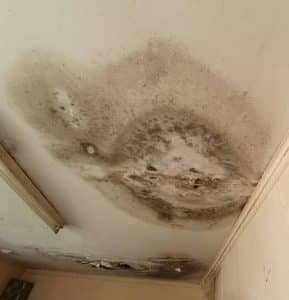
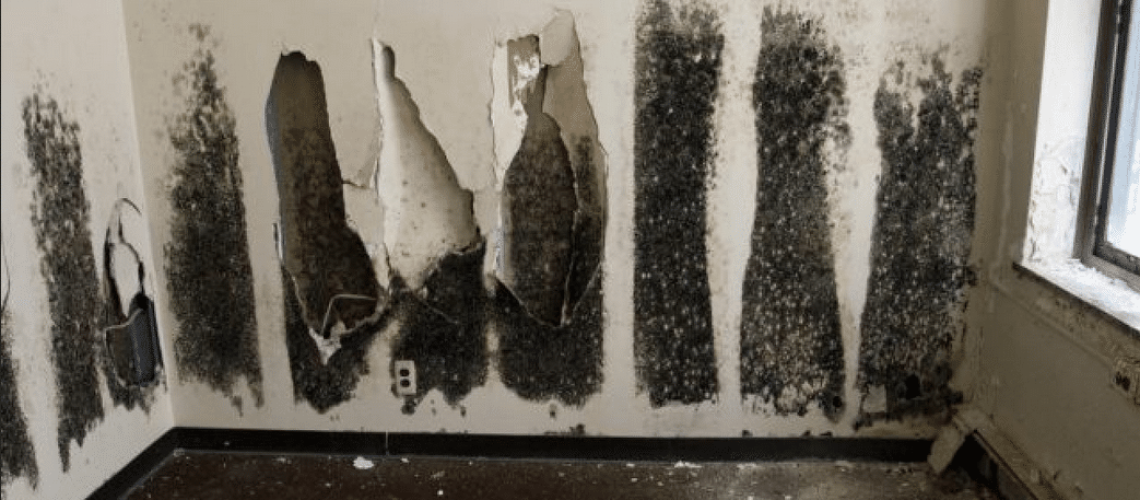
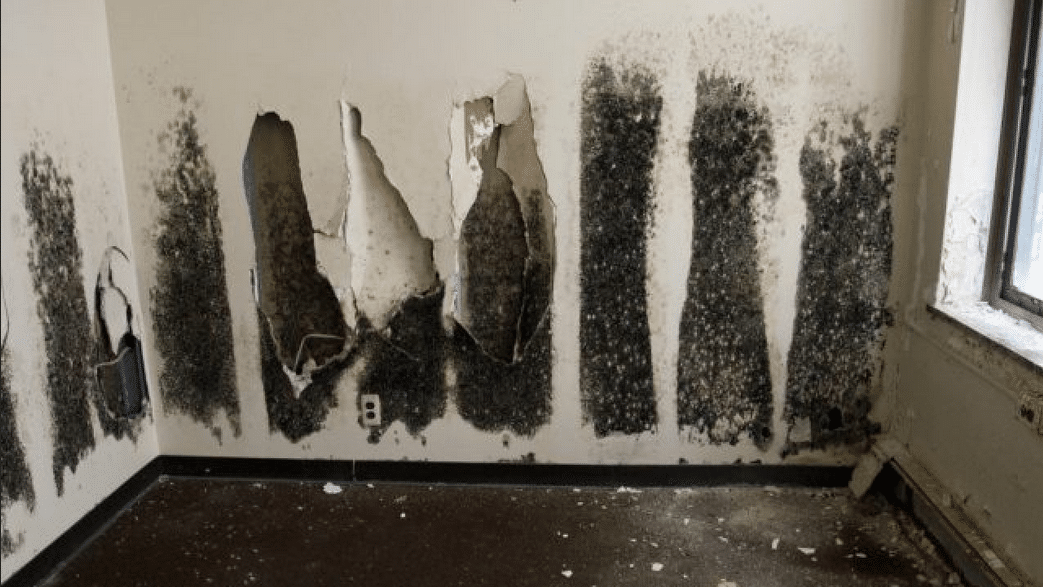
When people say black mold, they usually mean Stachybotrys chartarum. This mold looks dark green or black and often feels slimy. It tends to grow on materials with constant moisture, such as drywall, wood, and paper-backed products.
Keep in mind that “black mold” is a nickname, not a medical or scientific diagnosis. Like all molds, it spreads through tiny mold spores. Some molds can also produce mycotoxins. Still, the idea of “toxic mold” is overstated. Health effects depend on the person, the amount of exposure, and how long it lasts.
What Counts as Regular Household Mold?
Several types of household mold show up in homes again and again. In fact, these are the most common types of mold in homes:
- Cladosporium: olive-green, brown, or black; often found on fabrics, wood, and cold surfaces
- Aspergillus: ranges from green to yellow or white; thrives in dust, insulation, and damp areas
- Penicillium: blue-green and fuzzy; common on water-damaged materials and carpets
As you can see, mold color varies widely. Green, white, gray, and black molds can all appear in the same house.
Black Mold vs Regular Mold: Key Differences
So, what is the difference between black mold and regular mold? Here is how the two compare.
Appearance
Black mold is often dark and slimy. Regular molds can be fuzzy, powdery, or speckled, and they come in many colors. That said, some regular molds also look dark, which is where the confusion starts.
Where It Grows
Black mold needs persistent moisture, such as a slow leak or a flooded area that never fully dried. Regular molds are more flexible. They grow in a wider range of damp spots, including bathrooms, basements, and window sills.
Health Effects
Both can affect indoor air quality. Both can also trigger allergic reactions in sensitive people. In other words, the difference between black mold and other mold matters less than the fact that mold is present at all.
Found Mold in Your Home?
Can You Tell Black Mold From Regular Mold by Color?
Unfortunately, no. Many people ask how to tell black mold from regular mold, or how they can tell if mold is black mold. Yet dark color does not prove a species. Plenty of molds look dark green or black.
Is all black-colored mold toxic? No. Only laboratory analysis can confirm which species you have. Fortunately, the next steps are the same either way. You need to find the moisture source, stop it, and remove the growth.
Mold vs Mildew: Another Common Mix-Up
Many homeowners also confuse mildew vs mold. Mildew is usually flat, gray or white, and powdery. It stays on the surface, often in showers or on window frames. Mold, on the other hand, looks fuzzier or thicker and can grow into the material.
Black mold vs mildew on walls is a common question, too. If the spot is dark, spreading, or smells musty, treat it as mold. When in doubt, have it checked.
Health Risks: Is Black Mold More Dangerous?
Black mold gets the most headlines. Even so, it is not always more dangerous than other molds. Any mold can affect sensitive people, so the risk depends on the amount of growth and the length of exposure.
Common symptoms include sneezing, coughing, watery eyes, throat irritation, and asthma flare-ups. If you or a family member have symptoms that seem tied to your home, talk to a doctor. In the meantime, don’t ignore visible growth.
Not Sure How Vulnerable Your Home Is?
Why You Can't Identify Mold Yourself
Can you test for black mold yourself? Store-bought kits are not reliable. They often cannot tell you how much mold is present or where it is hiding. Visual checks fall short, too.
It also helps to understand mold testing vs mold inspection. Testing tells you what type of mold is present. An inspection tells you where the moisture is coming from and how far the growth has spread. For most homes, the inspection matters more. After all, species rarely changes the plan: fix the moisture, then remove the mold.
When to Call a Professional for Mold Removal
Do you need a professional to remove black mold? Often, yes. Small spots on non-porous surfaces, like tile, may be safe to clean yourself. Porous materials, like drywall and carpet, are different. Mold can grow deep inside them, and surface cleaning rarely solves it.
Consider calling a professional when:
- The affected area is larger than about 10 square feet
- Mold appeared after water damage or flooding
- You smell mold but can’t see it
- The mold keeps coming back after cleaning
That is where we come in. Our mold remediation services cover mold inspection in Rochester, NY, containment, safe removal, and moisture control. Whether you need mold testing, black mold removal, or full mold removal in Rochester, NY, our team serves homeowners across Monroe County. Not sure if the mold is hiding? See “Signs Mold Is Growing Behind Walls in Your Home.”
Mold in Rochester Homes
Our local climate makes mold a real concern. Humid summers raise indoor moisture. Meanwhile, freeze-thaw winters cause hidden leaks and frozen pipes. As a result, Rochester basement mold is one of the most common problems we see.
Water damage and mold growth often go hand in hand. If you want to understand the link, read “Why Does Water Damage Lead to Mold Growth?” Also, if your home has had a leak or flood, knowing how to identify mold after water damage can save you time and money. Because of this, we recommend checking damp areas within a day or two of any water event.
Frequently Asked Questions
What is the difference between black mold and regular mold?
Black mold usually refers to Stachybotrys chartarum, a dark, slimy mold that thrives on constantly wet materials. Regular household molds, like Cladosporium and Penicillium, vary in color and texture. Both can affect indoor air quality, so any growth needs attention.
Is all black-colored mold toxic?
No. Many molds look dark, and color alone cannot identify a species. Some molds can produce mycotoxins, but health effects vary by person and exposure. Rather than guessing, treat any indoor mold growth as a problem to fix.
How can you tell if mold is black mold?
You can't be sure by sight. Dark green or black color, a slimy texture, and growth on constantly damp drywall or wood are clues. However, only laboratory analysis confirms the species. The response is the same either way: fix the moisture and remove the mold.
Is black mold more dangerous than other types of mold?
Not necessarily. Black mold gets more attention, but other molds can also cause allergic reactions and asthma symptoms. Risk depends on the amount of growth, how long it has been there, and how sensitive the people in the home are.
Do you need a professional to remove black mold?
Often, yes. Consider a professional if the growth covers more than about 10 square feet, appears after water damage, hides behind walls, or keeps returning. Professionals also find and fix the moisture source, which stops mold from coming back.
Dealing With Mold in Your Rochester Home?
Color can’t tell you how serious mold is, but the right response can stop it. First, fix the moisture. Then, remove the growth safely. For prevention steps after a leak or flood, see “How to Prevent Mold Growth After Experiencing Water Damage.” Rochester Restoration has helped homeowners across Monroe County deal with mold quickly and thoroughly. If you’ve spotted mold, contact our team today to schedule your free inspection.