
Water damage strikes fast — often within minutes — and most homeowners feel overwhelmed the moment they discover a leak, burst pipe, or flooded basement. While professional help is essential, your actions in the first few minutes matter just as much. Knowing how to stop water damage quickly and what steps to take before restoration arrives can save thousands of dollars in repairs and prevent mold growth.
Whether you’re dealing with sump pump failure, storm flooding, or a sudden pipe burst, this emergency guide gives you a practical, step-by-step checklist to stabilize the situation until professionals like Rochester Restoration arrive. Their certified water damage restoration company team provides rapid response services throughout Rochester, including water extraction, drying, and structural restoration.
Learn more about Rochester Restoration here.
Key Takeaways
- Knowing what to do before restoration arrives can drastically reduce structural damage, mold growth, and repair costs.
- Immediate steps include stopping the water source, shutting off power, extracting standing water, and improving airflow.
- Acting quickly helps slow the damage until a professional water damage restoration company can perform a thorough cleanup.
- Safety is critical — avoid contaminated water, electrical hazards, and weakened flooring.
- Rochester homeowners should memorize this checklist to respond effectively in the event of a water leak emergency.
Why Fast Action Matters During Water Damage Emergencies
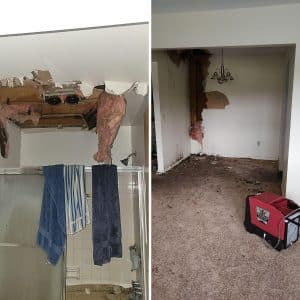
Water spreads rapidly through a home. Within minutes, it can soak flooring, seep behind walls, and damage electrical systems. Within hours, drywall swells, wood warps, and bacteria begin to form. Within 24 to 48 hours, mold starts to grow.
This is why your first steps matter. Even if you’ve already called an emergency restoration specialist, knowing what to do before restoration arrives reduces long-term damage and health risks — especially in situations involving contaminated water or basement flooding.
1. Stop the Source of Water (If Possible)
The first action in any water leak emergency is to stop the flow of water.
Steps to Stop the Source
- Turn off your home’s main water valve
- Shut off water to the leaking appliance, pipe, or fixture
- If the sump pump failed, unplug it and check for blockages
- For roof leaks, place a bucket or container under the drip
If you’re unsure where the water is coming from, treat the situation as an emergency and call a professional immediately.
2. Turn Off Electricity in Affected Areas
Water and electricity are a dangerous combination. Before entering a damp or flooded area, turn off the power to that part of your home at the circuit breaker.
When NOT to enter:
- If wires are submerged
- If outlets are wet
- If the water is near electrical appliances
Always prioritize safety — no cleanup effort is worth risking electrocution.
3. Remove Standing Water Quickly
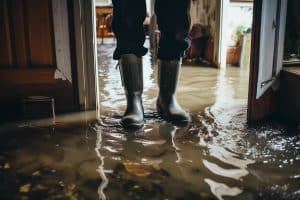
If you want to know how to dry out water damage quickly, the first priority is removing standing water. The longer water sits, the more damage it causes.
Ways to Remove Water
- Use a wet/dry vacuum (never use a standard household vacuum)
- Use mops, buckets, or squeegees
- If safe, allow your sump pump to resume operation
- For major flooding, rely on emergency water damage cleanup professionals
Even a half-inch of standing water can seep into flooring, causing hidden damage.
4. Protect Your Belongings
Once the immediate hazards are controlled, remove items from the wet area.
Move or Lift the Following:
- Furniture
- Area rugs
- Electronics
- Paper items and documents
- Clothing or bedding
If items are contaminated by sewage or dirty water, it is best to have professionals handle them. Rochester Restoration offers safe sanitation and cleaning services as part of its comprehensive restoration process.
5. Improve Airflow to Start Drying
If it’s safe, improving ventilation is one of the best ways to begin drying before professional equipment arrives.
Recommended steps:
- Open doors and windows
- Run fans or dehumidifiers
- Turn on ventilation systems (unless mold is already present)
This slows the spread of moisture, reduces humidity, and prevents mold spores from thriving.
If mold is discovered or suspected, consult Rochester Restoration’s mold remediation experts.

6. Document the Damage for Insurance
Insurance companies often require proof of damage, and documenting early can make the claims process much smoother.
Document the Following:
- Photos and videos of water levels
- Close-ups of damaged walls, floors, and belongings
- Images of the leak source
- Notes on the timeline of events
Do not begin large-scale cleanup until documentation is complete unless safety requires immediate action.
7. Avoid Contaminated Water
Not all water damage is equal. Water is classified based on its level of contamination:
- Category 1 (Clean Water): burst pipes, sink overflows
- Category 2 (Gray Water): appliance leaks, minor contamination
- Category 3 (Black Water): sewage, floodwater, storm runoff
Category 3 requires professional handling — avoid contact and keep pets and children at a safe distance
8. Check for Structural Weakness
Flooding can weaken floors, walls, and staircases. If anything looks warped, sagging, cracked, or unstable, stay out of the area.
Signs of Structural Risk:
- Bowed walls
- Soft or sinking floors
- Cracks widening rapidly
- Doors and windows no longer close properly
If structural damage is present, wait outside the affected area until help arrives.
9. Begin Preventing Mold Growth
Mold begins forming within 24–48 hours of water exposure. Taking early steps to slow its growth is crucial.
Preventative Measures:
- Dry affected surfaces as quickly as possible
- Disinfect non-porous surfaces
- Remove wet carpeting or padding
- Bag and discard unsalvageable materials
If mold is visible, let specialists handle removal — disturbing mold can worsen contamination.
10. Call a Professional Water Damage Restoration Company
Even when you manage the initial emergency, professional restoration is essential to ensure your home is properly dried, sanitized, and restored. Hidden water damage can persist for weeks or months, leading to mold growth, structural issues, and recurring odors.
Rochester Restoration provides:
- Rapid emergency response
- Industrial water extraction
- Structural drying and dehumidification
- Sanitization and antimicrobial treatments
- Repairs and full restoration services
Frequently Asked Questions (FAQs)
2. How do I dry out water damage quickly?
Improve ventilation, run fans and dehumidifiers, and remove as much standing water as possible before professional help arrives.
3. When should I call a water damage restoration company?
Call immediately — even minor leaks can cause hidden damage or mold within 24 to 48 hours.
4. What items should I move first during water damage cleanup?
Electronics, furniture, rugs, paper documents, and sentimental items should be relocated as soon as possible.
5. Is all water damage dangerous?
No, but gray water and black water pose serious health risks. If the water appears dirty or smells unpleasant, avoid contact and contact professionals.
Act Fast — Protect Your Home With Rochester Restoration’s 24/7 Emergency Response
Every minute matters when water damage occurs. Don’t wait for mold to grow, moisture to spread, or the structural integrity of your house to deteriorate.
At Rochester Restoration, our emergency response team is on-call 24/7 with the tools, training, and expertise to stop water damage quickly and restore your home safely. Whether you’re facing basement flooding, a burst pipe, or storm-related water intrusion, we arrive fast to extract water, begin structural drying, and prevent long-term issues.
👉 Call Rochester Restoration now or request emergency service online — let our certified professionals take control of the damage before it gets worse.