Why does my basement flood, even when nothing seems obviously wrong? It’s a question we hear often at Rochester Restoration, and the honest answer is that Rochester homes face a unique mix of risk factors. From heavy clay soil to lake-effect snow, several things work together to put local basements at risk.
In this guide, we’ll walk through the biggest reasons basements flood in our area. We’ll also cover the warning signs to watch for and what you can do to lower your risk.
Key Takeaways
- Rochester’s clay soil and high water table naturally hold moisture near foundations.
- Freeze-thaw cycles and spring snowmelt are major seasonal flooding risks.
- Older homes often have aging foundations and outdated drainage systems.
- Sump pump failure and poor drainage are common, and often preventable, causes.
- Knowing your risk factors is the first step toward protecting your home.
Why Does My Basement Flood? The Short Answer
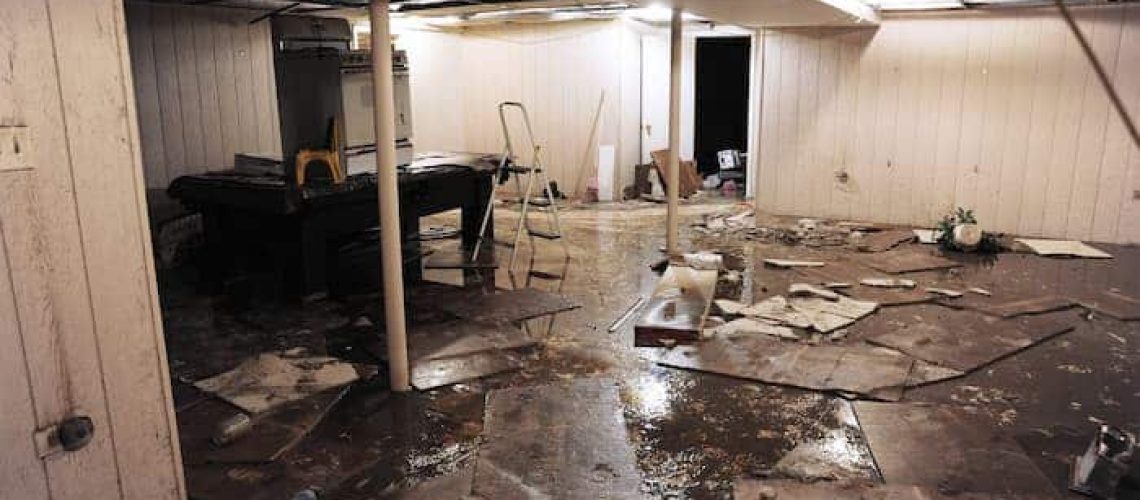
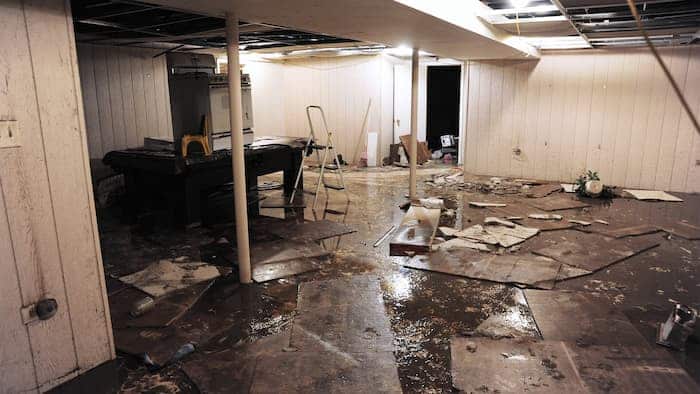
So, why does my basement flood in the first place? Basements sit below ground level. As a result, they naturally collect groundwater, storm runoff, and melting snow. Whether that water stays out depends entirely on your home’s drainage, grading, and foundation condition.
Rochester's Soil and Water Table Make Basements Vulnerable
Much of Rochester sits on dense clay soil. Unlike sandy soil, clay doesn’t drain well. Instead, it holds water close to your foundation. Over time, this creates hydrostatic pressure, which pushes water through even small cracks. Combine that with a naturally high water table, and it’s easy to see why so many basements in our area struggle to stay dry.
Seasonal Weather Patterns That Increase Flooding Risk
Lake-Effect Snow and Spring Thaw
Rochester’s lake-effect winters bring heavy snowfall. Then, as temperatures rise in spring, that snow melts quickly. Consequently, drainage systems are often overwhelmed before the ground has a chance to absorb the runoff. (For more on this pattern, see “How Rochester Weather Contributes to Water Damage.”)
Freeze-Thaw Cycles
In addition to snowmelt, our winters bring repeated freezing and thawing. This cycle causes foundations to expand and contract. Over time, it widens existing cracks and creates new entry points for water.
Worried About Basement Flooding?
Older Homes Face Higher Flooding Risk
Rochester is home to many older properties. While charming, these homes often come with aging foundations. Likewise, their original drainage systems weren’t designed for today’s heavier storm patterns. As a result, older homes are statistically more likely to experience basement flooding than newer construction.
Common Mechanical and Structural Causes
Beyond soil and age, everyday mechanical issues also play a role. Common culprits include:
- Sump pump failure during heavy rain or power outages
- Poor grading that directs water toward, rather than away from, the foundation
- Clogged or disconnected gutters and downspouts
- Window well leaks during storms
Fortunately, most of these issues are preventable with the right inspection and upkeep. Our water damage service is designed to solve these problems early, before they lead to a huge issue. For a deeper walkthrough of prevention steps, see “Common Causes of Basement Flooding and How to Prevent Them in Rochester.”
Genesee River and Local Topography
Homes near the Genesee River or in low-lying neighborhoods face an added layer of risk. Storm water runoff naturally flows toward these areas, which can overwhelm local drainage during heavy rain. If your home sits in one of these spots, extra precautions are well worth it.
Is Basement Flooding Covered by Homeowners Insurance?
It depends on the source. Sudden issues, like a burst pipe or sump pump failure, are often covered under a standard policy. However, groundwater seepage and flooding typically require separate coverage. For a closer look at how this works, see “How Will Filing A Claim For Water Damage Affect My Insurance Policy?“
Not Sure How Vulnerable Your Home Is?
Signs Your Basement Is at Risk
Even before a flood happens, your basement often gives warning signs. Watch for:
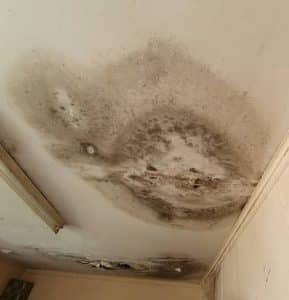
- A musty or damp smell
- Visible cracks in the foundation walls or floor
- White, chalky residue on walls (efflorescence)
- Damp spots that appear after rain or snowmelt
If any of these sound familiar, it’s worth addressing sooner rather than later.
Frequently Asked Questions
Why does my basement flood?
Basements sit below ground level, so they naturally collect groundwater and runoff. Clay soil, a high water table, aging foundations, and poor drainage all increase the risk, especially in Rochester's climate.
Why does my basement flood every time it rains?
Repeated flooding often points to poor grading, clogged gutters, or a struggling sump pump. Clay soil can also hold water near your foundation, making heavy rain more likely to seep through.
Can a sump pump fail during heavy rain?
Yes. Power outages, overwhelmed drainage, or a pump nearing the end of its lifespan can all cause failure during the exact moments you need it most.
Does snowmelt cause basement flooding?
Yes. Rapid spring snowmelt, especially after lake-effect winters, can overwhelm drainage systems faster than the ground can absorb the water, leading to basement flooding.
Is basement flooding covered by homeowners insurance?
Sometimes. Sudden events like a burst pipe are often covered. Groundwater seepage or flooding, however, usually requires separate coverage. Check your policy for specifics.
Protecting Your Rochester Home From Basement Flooding
Basement flooding rarely comes down to just one cause. Instead, it’s usually a combination of soil, weather, age, and mechanical wear working together. The good news is that understanding your risk factors puts you back in control. Rochester Restoration has helped homeowners across Monroe County identify these risks and respond quickly when flooding does happen. If you’d like a professional to assess your basement, contact our team today for a free inspection.