When water hits your floors, it doesn’t wait for a convenient time to become a bigger problem — and neither should you. Whether you’re dealing with a burst pipe, an overflowing appliance, or storm flooding, the single biggest factor in how much damage your Rochester home ends up with is how fast the water is removed. That’s exactly what emergency water damage restoration is built to do.
In this guide, we’ll walk through what to expect during emergency water damage restoration in Rochester, NY — from the moment you call to the final repairs. You’ll learn what happens at each stage, how long the process typically takes, what it costs, and what your insurance is likely to cover. By the end, you’ll know exactly what to expect if you ever need to make that call.
Key Takeaways
- Emergency water damage restoration removes standing water fast and prevents mold, structural damage, and higher repair costs.
- The first 24–48 hours are the most critical window — mold can begin forming during this time.
- Professional restoration follows a clear process: response, assessment, extraction, drying, cleaning, and repairs.
- Whether restoration is covered by insurance depends on the source of the water and your policy.
- Rochester’s freeze-thaw winters and humid summers make fast, local emergency response especially important.
Why Fast Action Matters After Water Damage
If you’ve ever wondered how fast you should respond to water damage, the honest answer is: as fast as humanly possible. Water doesn’t stay in one place — it wicks sideways through subflooring, climbs up drywall, and seeps into insulation long after the surface looks dry.
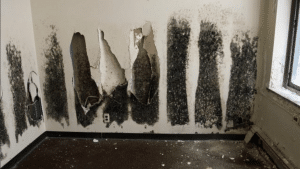
This matters because mold can begin forming in as little as 24–48 hours after a water event. Once moisture sits for more than a day, especially with Rochester’s humid summers and freeze-thaw winters, the risk of mold establishing itself climbs sharply. (For more on this timeline, see “Does Water Damage Get Worse Over Time?”)
This is why calling for emergency water damage restoration in Rochester the moment you notice a problem — rather than waiting to see if it dries out on its own — is the single best decision you can make for your home.
What Happens When You Call for Emergency Water Damage Restoration
Here’s what to expect during a typical emergency water damage restoration response in Rochester, from the first phone call to the final repair.
Step 1 – Emergency Call & Rapid Response
As soon as you call, our team dispatches a 24/7 water damage restoration crew to your property. We aim to arrive quickly because every hour of standing water increases the risk of damage — this is what sets true emergency restoration services in Rochester, NY apart from a standard repair appointment.

Step 2 – Water Damage Assessment & Inspection
On arrival, technicians perform a full water damage assessment, using moisture meters and thermal imaging to map exactly how far the water has traveled — including into areas that aren’t visibly wet yet. This is also when we identify the water’s category and class. (Learn more in “Is All Water Damage The Same? Categories & Classifications”)
Step 3 – Water Extraction
With the assessment complete, water extraction begins using submersible pumps and truck-mounted extraction units. The goal is to remove bulk water from the structure as quickly as possible, before it has more time to soak into building materials.
Step 4 – Drying & Dehumidification
Once standing water is gone, the focus shifts to structural drying. Industrial air movers and commercial dehumidifiers are positioned throughout the affected area, and technicians continue moisture mapping over the following days to catch hidden pockets in walls, subfloors, and cabinetry.
Step 5 – Cleaning & Antimicrobial Treatment
Affected surfaces are cleaned and treated with antimicrobial solutions to prevent mold and bacteria from taking hold. (See “How to Prevent Mold Growth After Experiencing Water Damage” for more on this step.)
Step 6 – Restoration & Repairs
Finally, our team handles content restoration, pack-out services for salvageable belongings, and repairs — from drywall and flooring replacement to a full rebuild, depending on the extent of the damage.
Experiencing Water Damage Right Now?
How Long Does Emergency Water Damage Restoration Take?
Restoration timelines vary by the size and category of the loss, but as a general guide: water extraction typically takes a few hours, structural drying takes 3–5 days on average, and full repairs can range from a few days to several weeks depending on how much rebuilding is needed. A fast emergency response is what keeps these timelines on the shorter end.
What to Do While Waiting for Help to Arrive
While you wait for our team to arrive, there are a few safe steps you can take to limit further damage:
- Shut off the water source if it’s safe to do so
- Turn off electricity to the affected area to avoid electrical hazards
- Move valuables and furniture away from standing water
- Avoid walking through water if it may be contaminated
For a full walkthrough, see “What NOT to Do After Experiencing Water Damage.“
Is Emergency Water Damage Restoration Covered by Insurance?
Coverage largely comes down to the source of the water. Sudden, accidental events — like a burst pipe or an appliance malfunction — are typically covered under standard homeowners policies. Gradual leaks, neglect, or flooding from an outside water source often require separate flood coverage. (For a deeper look, see “How Will Filing A Claim For Water Damage Affect My Insurance Policy?“)
Our team provides detailed documentation — photos, moisture readings, and affected materials — throughout the restoration process, which can make a real difference in how smoothly your insurance claim goes.
How Much Does Emergency Water Damage Restoration Cost?
Cost depends on several factors: the size of the affected area, the water category, how long the water sat before extraction began, and which materials were affected. A small, quickly addressed clean-water incident will cost far less than a large-scale loss involving contaminated water and multiple rooms. The most accurate way to know what your restoration will cost is a free, in-person inspection — which also gives you documentation to support an insurance claim if needed.
Experiencing Water Damage Right Now?
Signs You Need Emergency Water Damage Restoration Now
Not sure if your situation qualifies as an emergency? Watch for:
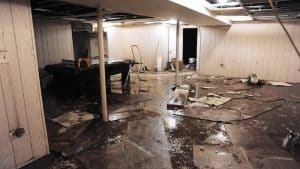
- Visible pooling or standing water
- Warped, buckling, or soft flooring
- A persistent musty smell
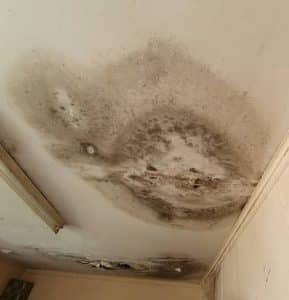
- Discoloration or staining on walls or ceilings
- Peeling paint or bubbling drywall
For the full list, see “Understanding and Identifying the Common Signs of Water Damage.”
Why Choose Rochester Fire Restoration for Emergency Water Damage Restoration
As a locally based, IICRC-certified team, we understand what Rochester homes are up against — from lake-effect winters that lead to frozen and burst pipes, to humid summers that accelerate mold growth. When you search for water damage restoration near me in Rochester, NY, you can expect a Monroe County water damage restoration team that responds 24/7, coordinates directly with your insurance provider, and treats your home like it’s our own — whether you’re in Brighton, Irondequoit, Greece, Pittsford, or anywhere else in the Rochester area.
Frequently Asked Questions
What happens during emergency water damage restoration?
Emergency water damage restoration involves a rapid on-site response, a full water damage assessment, water extraction, structural drying and dehumidification, antimicrobial cleaning, and finally repairs — restoring your Rochester home to its pre-damage condition.
How long does emergency water extraction take?
Water extraction itself typically takes a few hours, depending on the volume of water and size of the affected area. Full structural drying usually takes an additional 3–5 days.
Do I need to leave my home during water damage restoration?
Not always. Many homeowners can stay in their home during extraction and drying, though this depends on the severity of the damage, the water category, and whether utilities are affected.
How soon does mold grow after water damage?
Mold can begin growing in as little as 24–48 hours after water exposure, which is why fast emergency response is critical to limiting damage.
Is emergency water damage restoration covered by insurance?
Often, yes — sudden and accidental events like burst pipes are typically covered under standard homeowners insurance, while gradual leaks or floodwater may require separate coverage. Check your policy or ask your adjuster for specifics.
The Bottom Line
The first hours after water enters your Rochester home set the trajectory for everything that follows — how much gets damaged, how long drying takes, and whether mold becomes part of the story. Fast, professional emergency water damage restoration is the single best way to keep a bad day from turning into a much bigger, more expensive project.
Rochester Fire Restoration offers fast, thorough emergency water damage restoration and moisture detection across Rochester and Monroe County, available 24/7.
Call us today and get fast emergency water damage restoration!